The Most Valuable Renovations Before Selling a Denver Home
Jason Cummings September 8, 2026
Jason Cummings September 8, 2026
One of the biggest mistakes I see sellers make is assuming they need to renovate everything before putting their home on the market.
Most of the time, they don't.
The goal before selling isn't to create your dream home for the next owner. It's to identify the improvements that will make the property feel well cared for, current and move-in ready, without spending money in places where you're unlikely to see a meaningful return.
Especially in today's Denver market, buyers have more choices. Homes that feel clean, cohesive and thoughtfully prepared tend to stand out, while deferred maintenance or noticeably dated finishes can give buyers reasons to keep looking.
Here are the areas I typically focus on first.
Start With Condition Before Renovation
Before we talk about countertops or cabinet colors, I look at the overall condition of the home.
Peeling paint, damaged trim, worn flooring, cracked windows, unfinished repairs, burned-out bulbs or small maintenance items may individually seem insignificant, but together they can make buyers wonder what else hasn't been maintained.
Often, taking care of the small things makes a bigger difference than completing one expensive renovation.
The goal is for buyers to walk through the home without mentally creating a repair list.
Fresh Paint Can Completely Change a Home
Paint continues to be one of the simplest ways to transform how a property feels.
Fresh, neutral paint can make rooms feel brighter, cleaner and more cohesive while allowing buyers to focus on the architecture and space rather than someone else's design choices.
That doesn't necessarily mean painting every surface in the house. We look at where paint will have the greatest visual impact, typically main living spaces, heavily worn areas and rooms with particularly bold or dated colors.
Flooring Matters More Than Sellers Often Realize
Buyers notice flooring immediately.
Worn carpet, scratched hardwood or outdated flooring can make an otherwise beautiful home feel tired. Refinishing hardwood, replacing visibly worn carpet or addressing damaged flooring can dramatically improve the overall impression of a property.
You don't always need to replace everything. The priority is creating consistency and making sure the flooring doesn't become one of the first objections buyers have when they walk through the door.
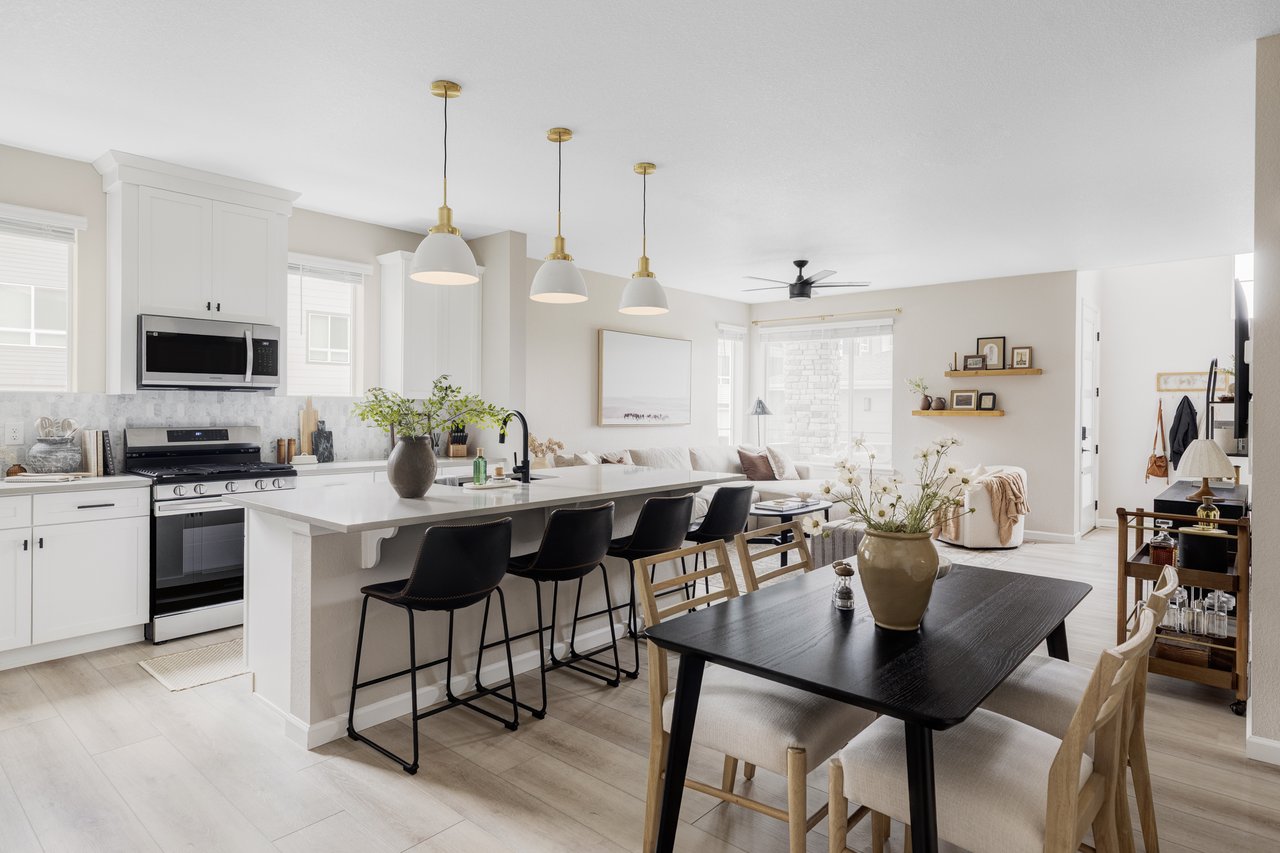
Update the Kitchen Strategically, Not Automatically
Kitchens matter, but that doesn't mean every seller should complete a full kitchen remodel.
In many homes, smaller changes can dramatically improve the space: updated hardware, lighting, cabinet paint, backsplash, fixtures or replacing one noticeably dated appliance.
For other properties, particularly at a higher price point, a larger renovation may make sense.
This is where strategy matters. Before spending $50,000, $100,000 or more on a kitchen, I would want to understand the value ceiling for the neighborhood, what buyers at that price point expect and whether the renovation will materially change the home's marketability or value.
Sometimes the best answer is to renovate.
Sometimes the best answer is to price appropriately and let the next owner create exactly what they want.
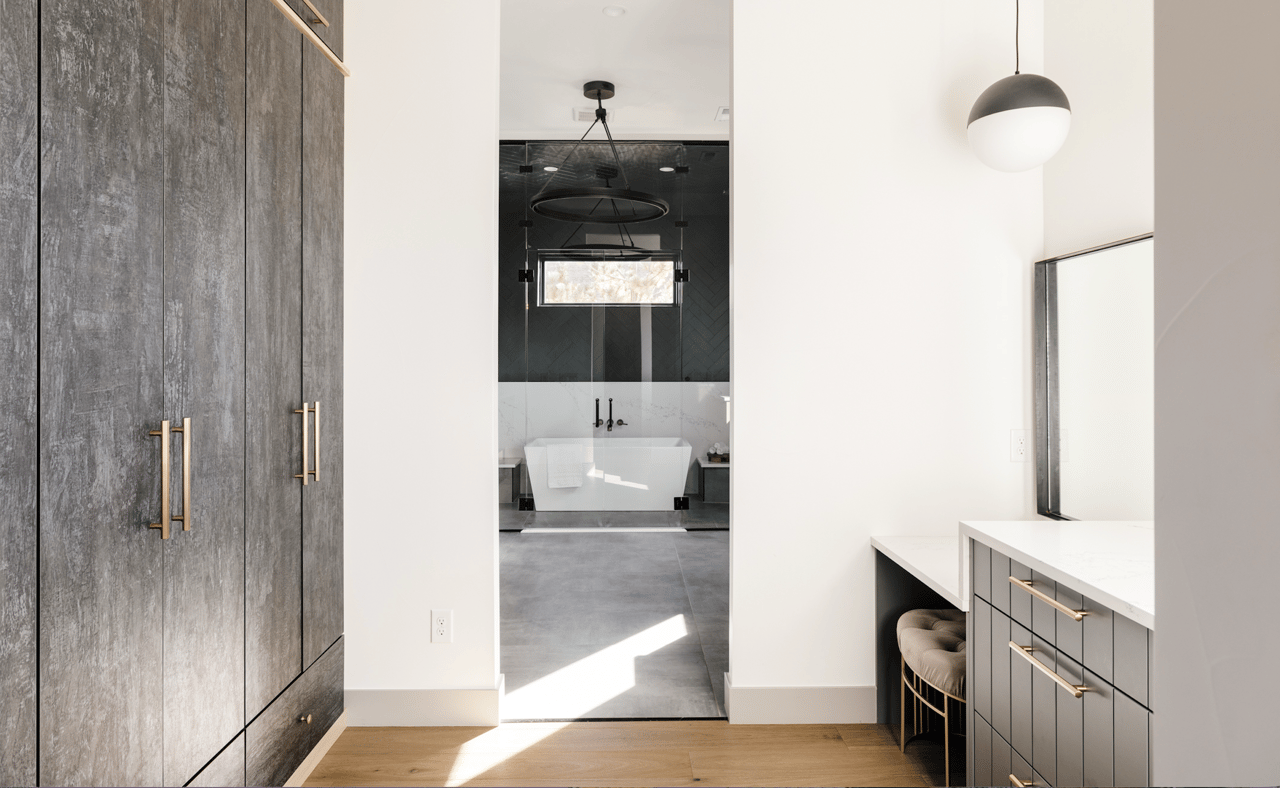
Lighting Is One of My Favorite Small Updates
Lighting has an outsized impact on how a home feels.
Dated fixtures can instantly age a room, while simple, updated lighting can make the same space feel significantly more current.
It also matters enormously in photography. A bright, cohesive home will generally photograph better, which matters because the buyer's first showing happens online.
I pay particular attention to entry fixtures, dining lighting, kitchen pendants, bathroom lighting and any fixture that becomes a visual focal point.
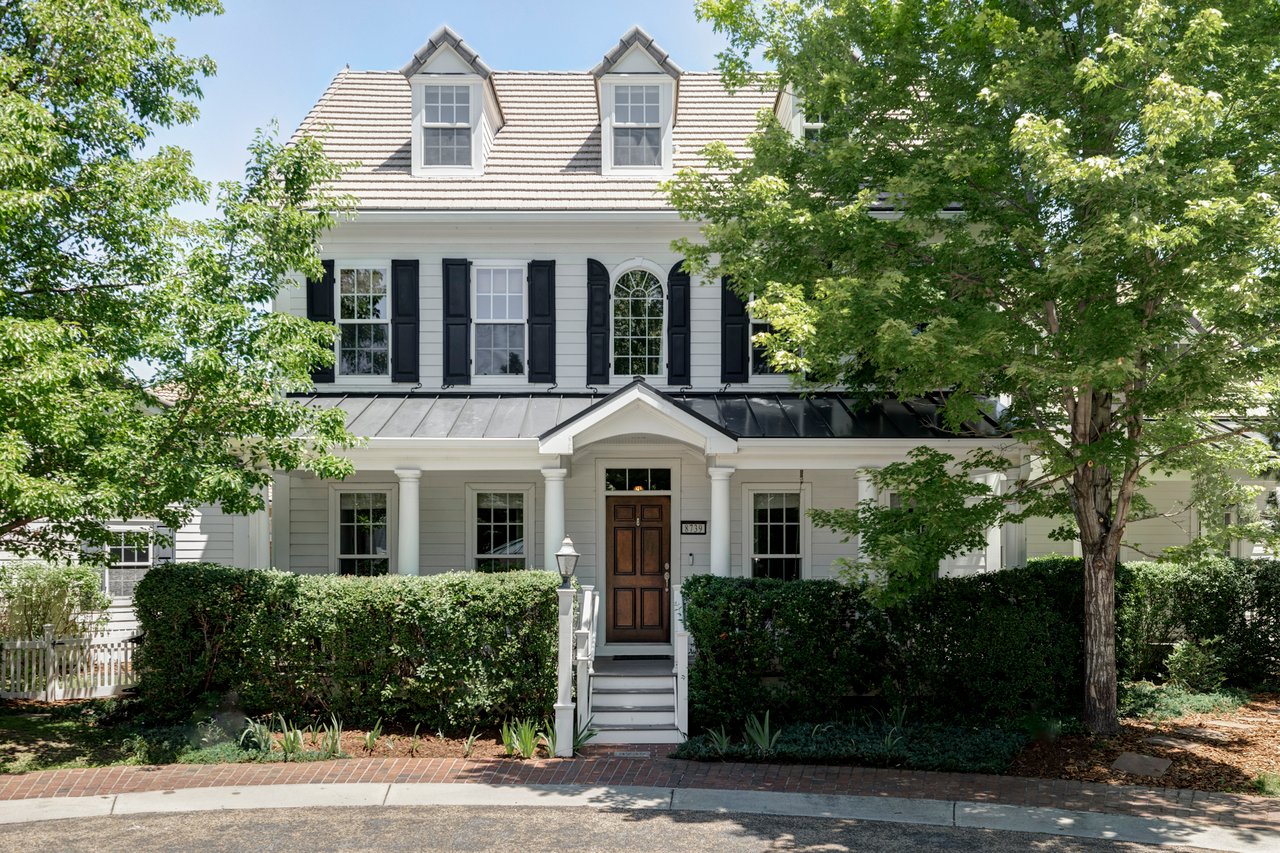
Don't Underestimate the Exterior
The showing starts before the buyer reaches the front door.
Fresh landscaping, trimmed trees and shrubs, healthy grass, fresh mulch, clean concrete and a welcoming entry can completely change a buyer's first impression.
You don't necessarily need an elaborate landscape redesign. You want the exterior to communicate that the home has been cared for.
Depending on the property, I may also recommend power washing, exterior touch up paint, updating house numbers or lighting, and making the front entry feel especially polished.
Staging Is Part of the Strategy, Not an Afterthought
I put a tremendous amount of value on staging because buyers need to understand how a home lives.
Great staging creates scale, highlights the strongest features of a property and helps buyers emotionally connect with the space.
Sometimes that means bringing in furniture. Other times it means editing what's already there, removing pieces, rearranging rooms, decluttering and depersonalizing.
The objective isn't to make the home look like nobody lives there.
It's to make it easy for the buyer to imagine that they could.
Staging also directly impacts photography, video and marketing, which means its value starts long before the first in-person showing.
What I Usually Wouldn't Recommend
Unless there is a clear financial case for it, I generally wouldn't recommend completing a major renovation immediately before selling simply because you think buyers might want it.
A full kitchen or bathroom remodel can become expensive quickly, and the finishes you choose may not be what the eventual buyer would have selected.
I would also be cautious about highly personalized improvements, bold tile, very specific cabinetry colors, expensive specialty features or trend-driven design choices, unless they're appropriate for the home's architecture and price point.
Before making a large investment, we want to know exactly what problem we're solving.
The Best Pre-Listing Strategy Is Different for Every Home
There isn't a universal renovation checklist that every Denver seller should follow.
For one home, I may recommend paint, carpet and landscaping.
For another, we may decide that updating the kitchen before listing could create a significant return.
And sometimes I'll tell a seller not to renovate anything.
The decision depends on the property, neighborhood, price point, competition and what buyers in that specific segment of the Denver market expect.
What matters most is being intentional.
I'd rather see a seller spend $15,000 in the right places than $75,000 without a clear strategy.
Before every listing, our team walks through the home and helps our sellers prioritize what we believe is worth doing, what we can improve through staging and presentation, and what we would leave for the next owner.
Because the goal isn't to renovate the most.
It's to make the right improvements so the home launches at its absolute best.
If you're thinking about selling and aren't sure what you should update, or whether you should update anything at all, we'd be happy to walk the property with you and build a pre-listing plan around your home, your timeline and your goals.
Stay up to date on the latest real estate trends.

October 23, 2026
October 22, 2026
October 21, 2026
October 20, 2026
October 19, 2026

October 16, 2026

October 15, 2026

October 14, 2026
October 13, 2026
DENVER'S TRUSTED REAL ESTATE ADVISORS
The team combines expertise with a willingness to think outside the box and break the mold to stay on the cutting edge of a shifting real estate industry. Whether you’re thinking about listing a house, beginning your search for a new home, or have a question about the area, please feel free to contact us.