What Actually Adds Value Before You Sell (And What Doesn’t)
Jason Cummings April 14, 2026
Jason Cummings April 14, 2026
What Actually Adds Value Before You Sell (And What Doesn’t)
When preparing to sell, one of the most common questions is where to invest—and where not to. With so much advice circulating around renovations and upgrades, it’s easy to assume that more spending automatically leads to a higher sale price. In reality, the most effective strategy is far more targeted.
In today’s Denver market, buyers are sophisticated, informed, and highly visual. They respond to homes that feel clean, updated, and move-in ready—but that doesn’t mean every project delivers a return. Understanding what actually adds value—and what doesn’t—can make a significant difference in both your timeline and your final sale price.
Fresh paint consistently delivers one of the strongest returns on investment. Neutral tones create a clean, cohesive backdrop that allows buyers to focus on the home itself rather than outdated or bold color choices.
It instantly brightens a space, photographs well, and makes a home feel newer and well maintained.
Outdated lighting can make an otherwise updated home feel behind the market. Swapping builder-grade or dated fixtures for more modern, cohesive options is a relatively simple upgrade that can significantly elevate the overall aesthetic.
Buyers often associate updated lighting with a home that has been thoughtfully maintained.
Staging is not just about furniture—it’s about storytelling.
A well-staged home defines each space, improves flow, and helps buyers emotionally connect to the property. It also enhances listing photos, which is critical in attracting interest online.
Homes that are staged effectively tend to show better, photograph better, and ultimately sell faster.
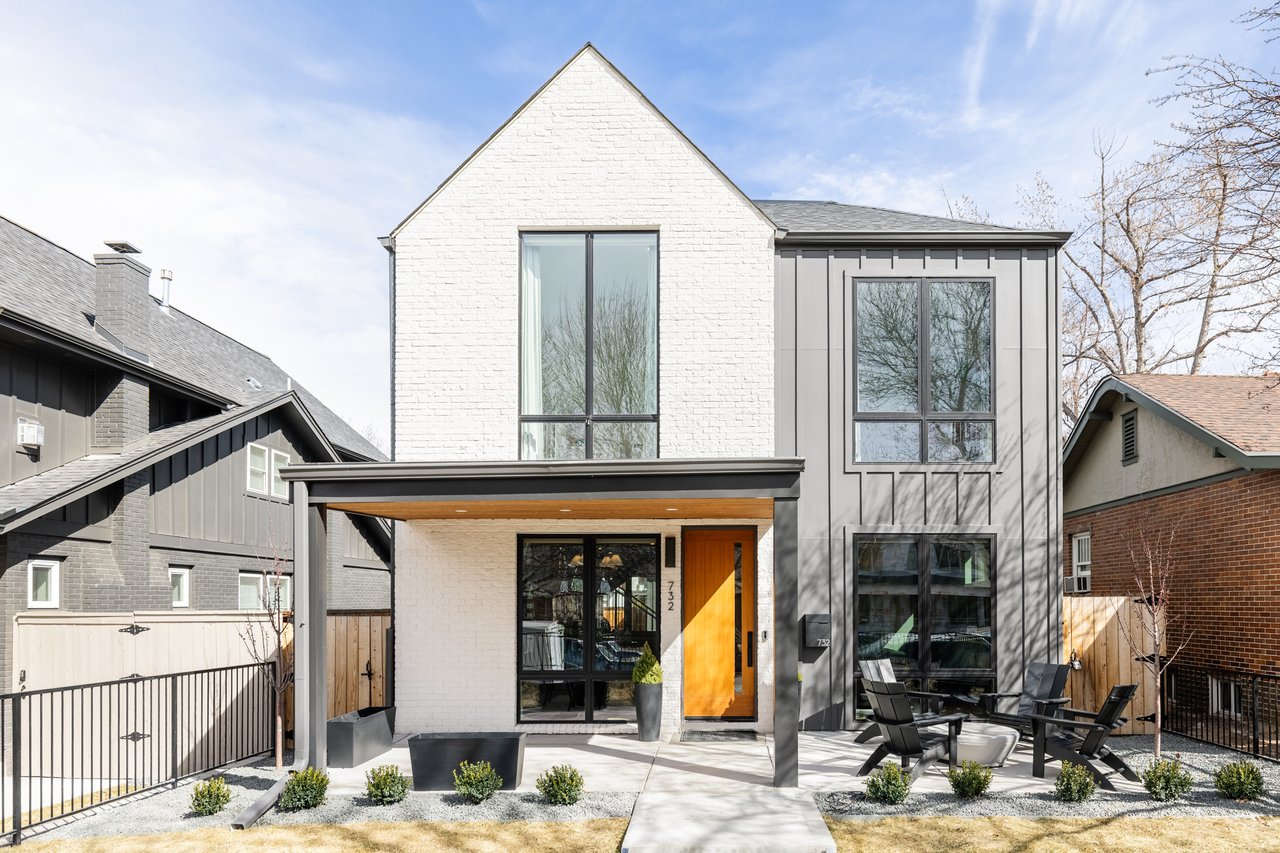
The exterior of the home is the first thing buyers see—and it shapes their expectations before they even step inside.
Simple improvements like fresh landscaping, a clean entryway, power washing, and a refreshed front door can dramatically improve perception. A strong first impression often leads to a more positive showing experience overall.
Kitchens and bathrooms remain key decision-making areas for buyers.
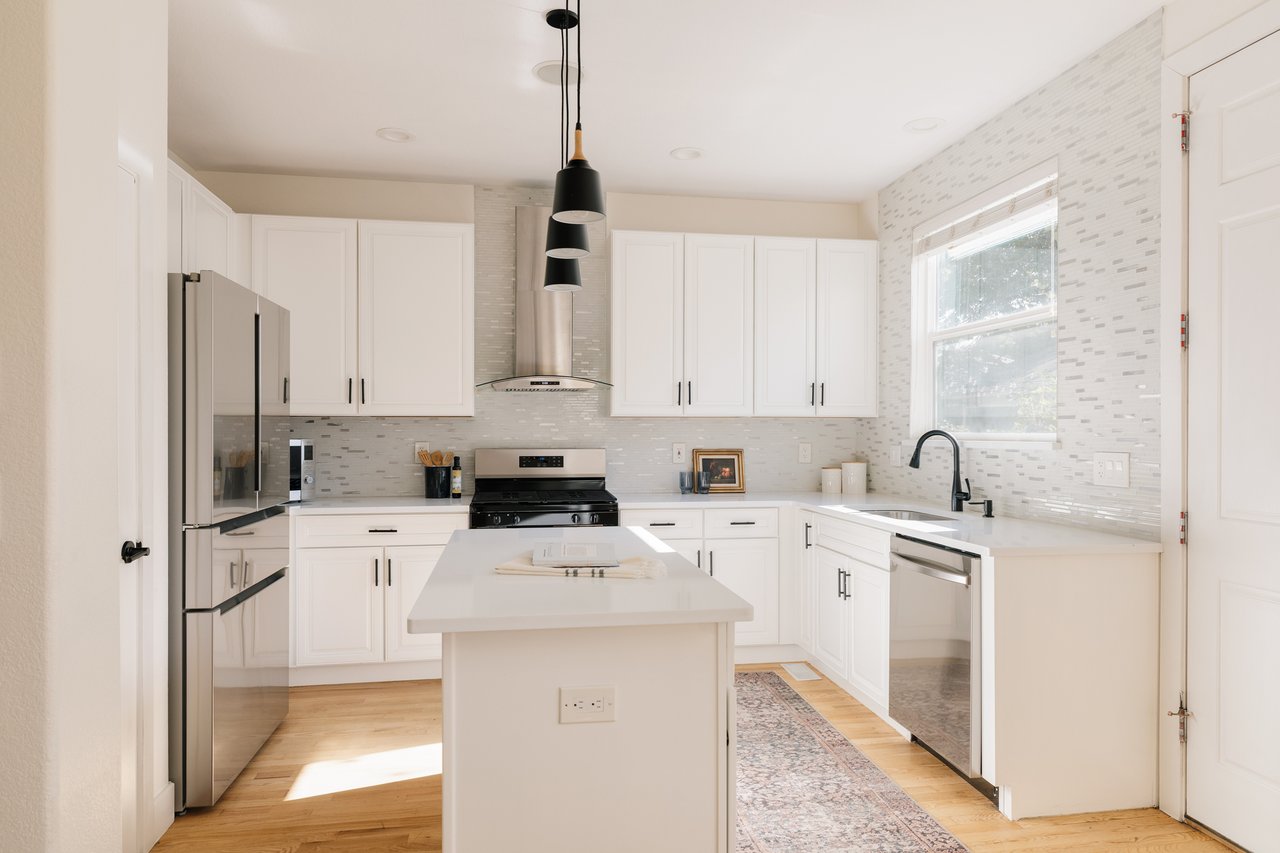
Full renovations are not always necessary, but targeted updates—such as new hardware, updated faucets, modern light fixtures, and refreshed cabinetry—can make these spaces feel current without the cost of a full remodel.
Large-scale remodels often do not yield a full return on investment—especially when completed just before listing.
Buyers may not value your specific design choices, and the cost of renovation can exceed what the market is willing to pay. Unless a home is significantly outdated, full renovations are typically not the most efficient use of time or resources.
Bold wallpaper, statement finishes, or highly customized design elements can limit buyer appeal.
While these choices may feel elevated or unique, they can make it harder for buyers to envision themselves in the space. Neutral, timeless finishes tend to perform far better in a resale setting.
It’s important to align your home with the expectations of the surrounding market.
Over-investing in upgrades that exceed neighborhood norms does not always translate into a higher sale price. Buyers often compare homes within a specific price range, and exceeding that range can limit your buyer pool.
Replacing systems like HVAC or water heaters may be necessary for maintenance, but they rarely create a noticeable increase in perceived value unless they were previously failing.
While these updates can provide peace of mind to buyers, they typically do not deliver a strong return compared to visible improvements.
High-end finishes—such as top-tier appliances or custom built-ins—may not add meaningful value if they are not consistent with the price point of the home.
Buyers at certain levels expect quality, but not necessarily luxury. Investing beyond those expectations may not yield a proportional return.
The most successful pre-sale approach is not about doing more—it’s about doing the right things.
Strategic sellers focus on:
Clean, neutral presentation
High-impact, cost-effective updates
Aligning the home with current buyer expectations
Creating a strong first impression both online and in person
In a market where buyers make decisions quickly, perception drives value.
Before investing in any updates, it’s important to evaluate what will actually move the needle.
The goal is not to renovate for yourself—it’s to position your home for the market. With the right strategy, even small changes can lead to stronger offers, faster timelines, and a more successful sale overall.
Because in today’s market, it’s not about how much you spend—it’s about how strategically you prepare.
Stay up to date on the latest real estate trends.

August 24, 2026
August 21, 2026
August 20, 2026
August 20, 2026
August 19, 2026
August 18, 2026

August 17, 2026
August 14, 2026
August 13, 2026
DENVER'S TRUSTED REALTOR®
The team combines expertise with a willingness to think outside the box and break the mold to stay on the cutting edge of a shifting real estate industry. Whether you’re thinking about listing a house, beginning your search for a new home, or have a question about the area, please feel free to contact us.