Why Some Beautiful Denver Homes Sit on the Market
Jason Cummings October 6, 2026
Jason Cummings October 6, 2026
It happens more often than people expect. A genuinely beautiful home, updated, well-located, thoughtfully designed, sits on the market for weeks or months while a less impressive home down the street sells in days. It's confusing for buyers watching from the outside, and frustrating for sellers living through it.
The truth is, how a home looks is only one piece of a much larger equation. Here's what actually determines how quickly a home sells.
Pricing Sets the Tone Before Buyers Even Walk In
A home priced even slightly above where the market supports it can struggle, regardless of how impressive it is in person. Buyers today are informed and comparison-shopping constantly, and a home that feels overpriced relative to similar listings often gets passed over before a showing is ever scheduled. Pricing isn't just a number. It's a signal buyers read instantly.
Presentation Matters More Than People Expect
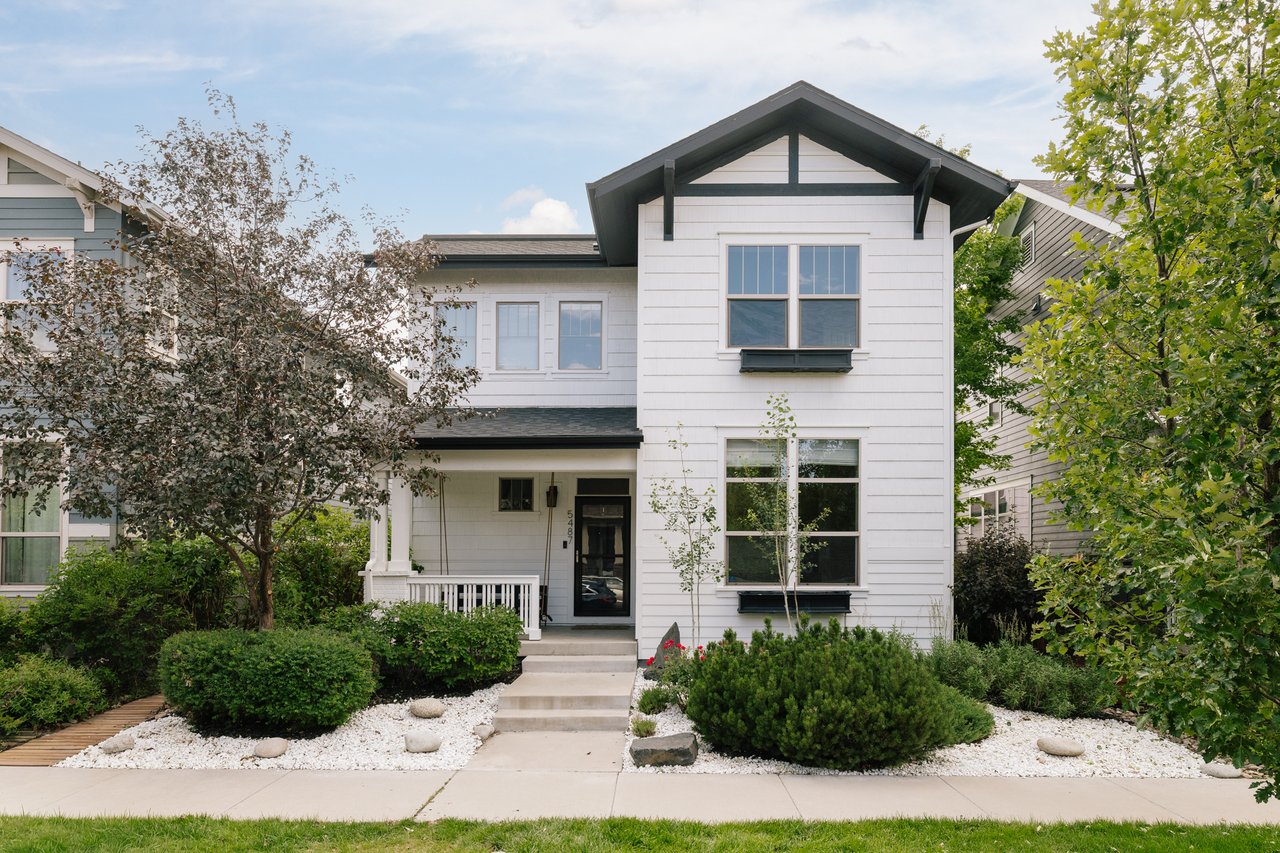
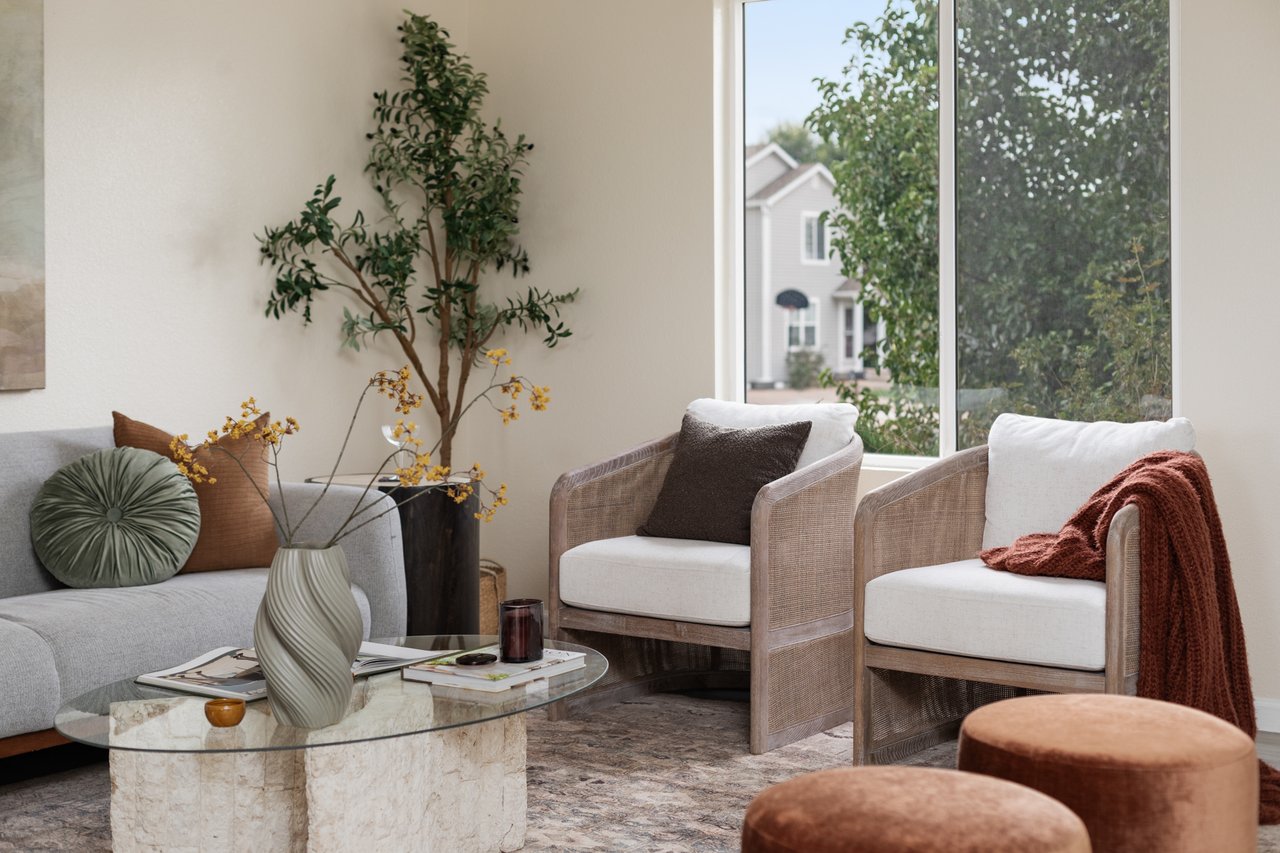
A home can be beautifully renovated and still show poorly if it isn't staged or prepared thoughtfully for the market. Clutter, personal belongings, or furniture that doesn't suit the space can distract buyers from the home's actual strengths. Presentation is about helping buyers see the home's potential clearly, not just showing what's already there.
Launch Strategy Can Make or Break Early Momentum
The first days a home is listed often generate the most attention it will ever receive. A home that launches without adequate preparation, incomplete photos, a soft price, or limited marketing, can miss that early momentum entirely. Once initial interest fades, it becomes considerably harder to generate the same level of attention later, even with price adjustments.
Photography Shapes the First Impression Online
Since most buyers begin their search online, photography often determines whether a home gets a showing at all. Poor lighting, awkward angles, or photos that don't capture a home's best features can make an excellent property look unremarkable in listing photos, even when it's genuinely impressive in person.
Condition Issues Aren't Always Visible in Photos
A home can photograph beautifully and still have condition issues that surface during a showing or inspection, deferred maintenance, dated mechanical systems, or small details that don't come through in pictures. These issues don't necessarily reflect the home's overall quality, but they can create hesitation once buyers see them firsthand.
Timing Affects Buyer Behavior More Than People Realize
A home listed during a slower season, alongside heavy competing inventory, or during a period of broader market uncertainty can take longer to sell, regardless of its condition or price. Timing doesn't determine a home's worth, but it absolutely affects how quickly buyers respond.
Buyer Perception Isn't Always Rational
Sometimes a home simply doesn't create the emotional connection buyers are looking for, even when everything about it checks the right boxes on paper. Layout preferences, a specific design choice, or even a home's history in the neighborhood can shape perception in ways that are difficult to predict or control.
None of This Means Something Is Wrong with the Home
A home sitting on the market longer than expected doesn't necessarily mean anything is fundamentally wrong with it. More often, it reflects a combination of smaller factors, some controllable, some not, that add up over time. Recognizing which of these factors is actually at play is the first step toward addressing it.
If your home has been on the market longer than expected, or you're planning your next listing, we'd love to help you understand what's actually happening and determine the best path forward.
Stay up to date on the latest real estate trends.
October 6, 2026
October 5, 2026
October 2, 2026
October 1, 2026
September 30, 2026
September 29, 2026

September 28, 2026
September 25, 2026
September 24, 2026
DENVER'S TRUSTED REAL ESTATE ADVISORS
The team combines expertise with a willingness to think outside the box and break the mold to stay on the cutting edge of a shifting real estate industry. Whether you’re thinking about listing a house, beginning your search for a new home, or have a question about the area, please feel free to contact us.