Wine Rooms and Cellars: Worth the Investment or a Niche Buyer Feature?
Jason Cummings October 7, 2026
Jason Cummings October 7, 2026
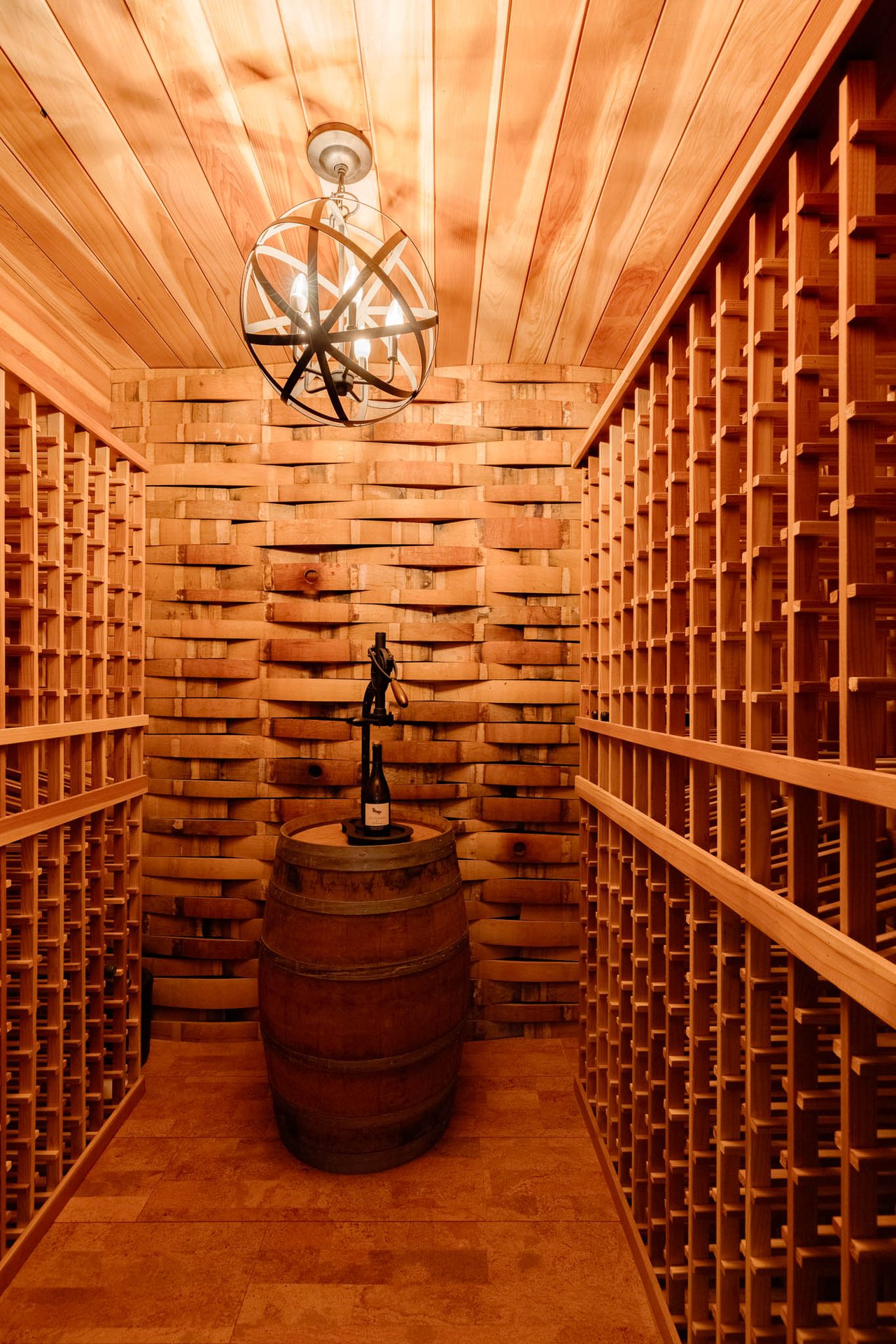
A dedicated wine room or cellar has become a fairly common request among luxury buyers, and it's easy to see why. It photographs beautifully, signals a certain lifestyle, and stands out in a listing. But whether it's actually worth the investment depends on more than how impressive it looks on a tour.
Here's an honest look at when a wine feature adds real value, and when it's more of a niche buyer preference.
Price Point Changes Everything
In higher-end homes, a wine room is often expected rather than exceptional, particularly in markets where buyers are already comparing similarly priced properties with one. At that level, its absence can occasionally feel like a missed opportunity. In more moderately priced homes, however, a dedicated wine room is far less common among buyers' expectations, and its appeal narrows considerably to buyers who specifically collect or entertain around wine.
Function Matters More Than Size
A wine room that's genuinely climate-controlled, with proper insulation, humidity control, and racking built for actual storage, reads very differently to buyers than a decorative wine wall or open shelving near a kitchen. Serious wine buyers can tell the difference quickly, and a space that only looks the part without functioning as one tends to underdeliver relative to its cost.
Flexibility Affects Long-Term Value
A wine room built into a highly specific footprint, one that can't easily convert to another use, is inherently a narrower investment than one designed with some flexibility. Buyers who don't drink wine or collect it may see a dedicated wine room as wasted square footage rather than a bonus, particularly if the space can't easily become a pantry, office, or storage area instead.
Where It Tends to Pay Off
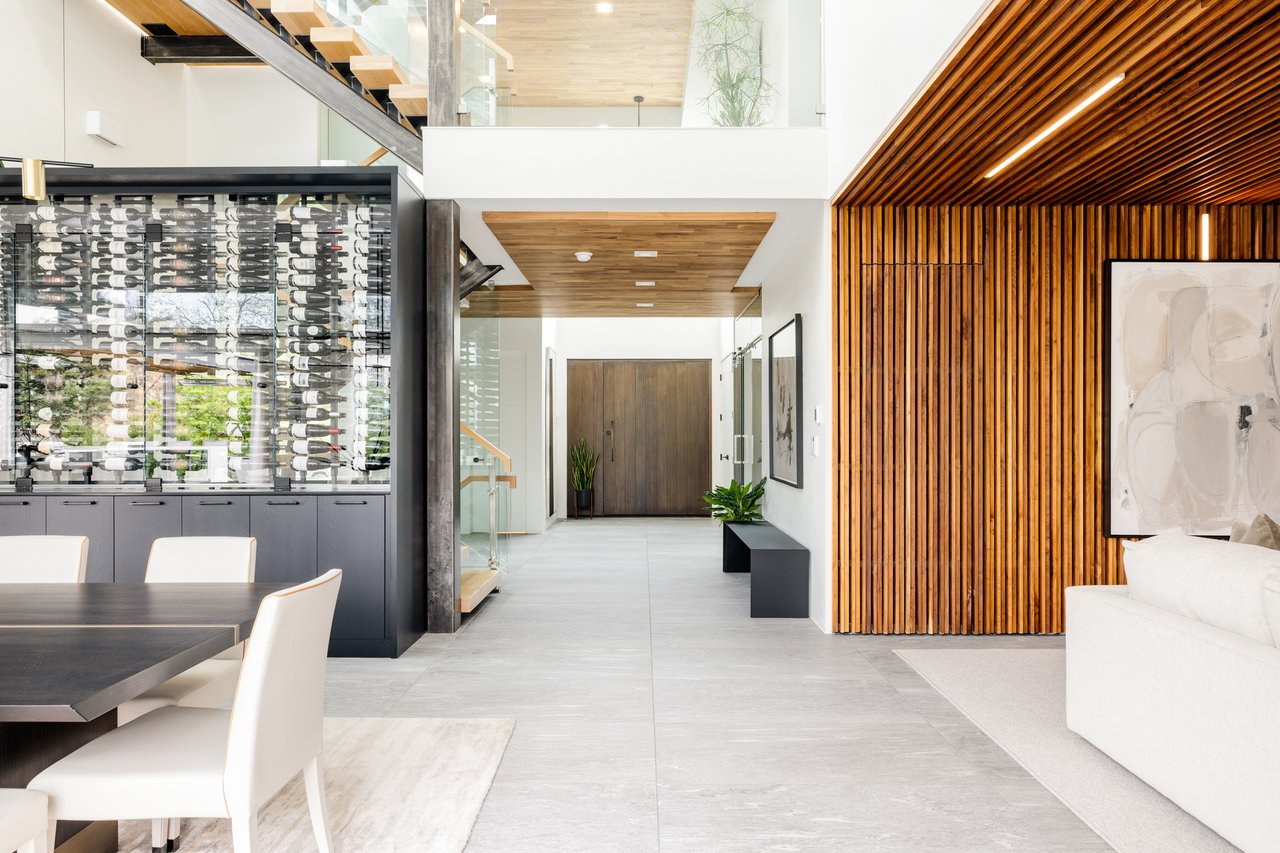
Wine rooms tend to perform best in homes where entertaining is already a core selling point, open-concept layouts, expansive kitchens, and dedicated bar or butler's pantry spaces. In these homes, a wine room complements an already-established lifestyle narrative rather than standing alone as an isolated feature.
Where It's More of a Passion Project Than an Investment
In more modest homes, or ones where entertaining isn't already a central feature, a wine room is more likely to function as a passion project for the current owner than a value-adding feature for the next one. It can still bring genuine enjoyment while you own the home. It just shouldn't be built primarily as a resale strategy in that context.
What This Means If You're Considering One
If you're building a wine room purely to enjoy it, price point and resale value matter less than personal preference. If resale is part of the goal, it's worth being honest about whether your home and neighborhood are the kind where buyers actively expect or search for this feature, versus one where it would be viewed as a nice extra with limited broader appeal.
A Feature Best Built for Yourself First
A wine room or cellar can be a genuine asset in the right home and price point, but it rarely functions as a universal value-add the way a kitchen or primary suite update does. If you're considering one, build it because you'll enjoy it, and treat any resale benefit as a possible bonus rather than the primary reason to do it.
Stay up to date on the latest real estate trends.
October 7, 2026
October 6, 2026
October 5, 2026

October 2, 2026
October 1, 2026
September 30, 2026
September 29, 2026

September 28, 2026
September 25, 2026
DENVER'S TRUSTED REAL ESTATE ADVISORS
The team combines expertise with a willingness to think outside the box and break the mold to stay on the cutting edge of a shifting real estate industry. Whether you’re thinking about listing a house, beginning your search for a new home, or have a question about the area, please feel free to contact us.