Fireplaces Inside the Home: Gas, Wood, or Linear, and What Reads as Luxury
Jason Cummings November 25, 2026
Jason Cummings November 25, 2026
A fireplace is one of the few features that can genuinely anchor a room, but not every fireplace earns that role. The difference between a forgettable builder-grade insert and a true focal point usually has less to do with fuel type and more to do with scale, surround, and placement, and the choice carries a bit of extra weight in Colorado, where a fireplace often gets real use through a genuinely cold winter rather than sitting purely decorative.
Here’s how the main styles compare, and what actually elevates any of them.
Gas Fireplaces Offer Convenience Buyers Increasingly Expect
Gas fireplaces have become the default in most new and updated Denver homes, valued for instant on-off convenience and consistent, even heat through the city’s cold snaps, without the maintenance a wood-burning unit requires. Buyers rarely view a gas fireplace as a downgrade from wood, in most markets, it’s simply the expected standard.
Wood-Burning Fireplaces Still Hold Appeal, Selectively
A genuine wood-burning fireplace carries a certain traditional appeal, particularly in Denver’s older, character-driven neighborhoods like Park Hill or the Highlands, where it fits the overall architecture. For some buyers, the ambiance and scent of a real wood fire is a specific draw, though others see the required maintenance, chimney cleaning, wood storage, as a downside relative to a gas unit’s convenience.
Linear Fireplaces Signal Contemporary, Intentional Design
A linear fireplace, long, low, and horizontal rather than the traditional square opening, has become closely associated with modern and transitional design. Its minimalist profile reads as a deliberate architectural choice rather than a standard builder feature, which is part of why it shows up so often in Denver’s higher-end new construction, including many of Central Park’s newer builds.
The Surround Matters More Than the Fuel Type
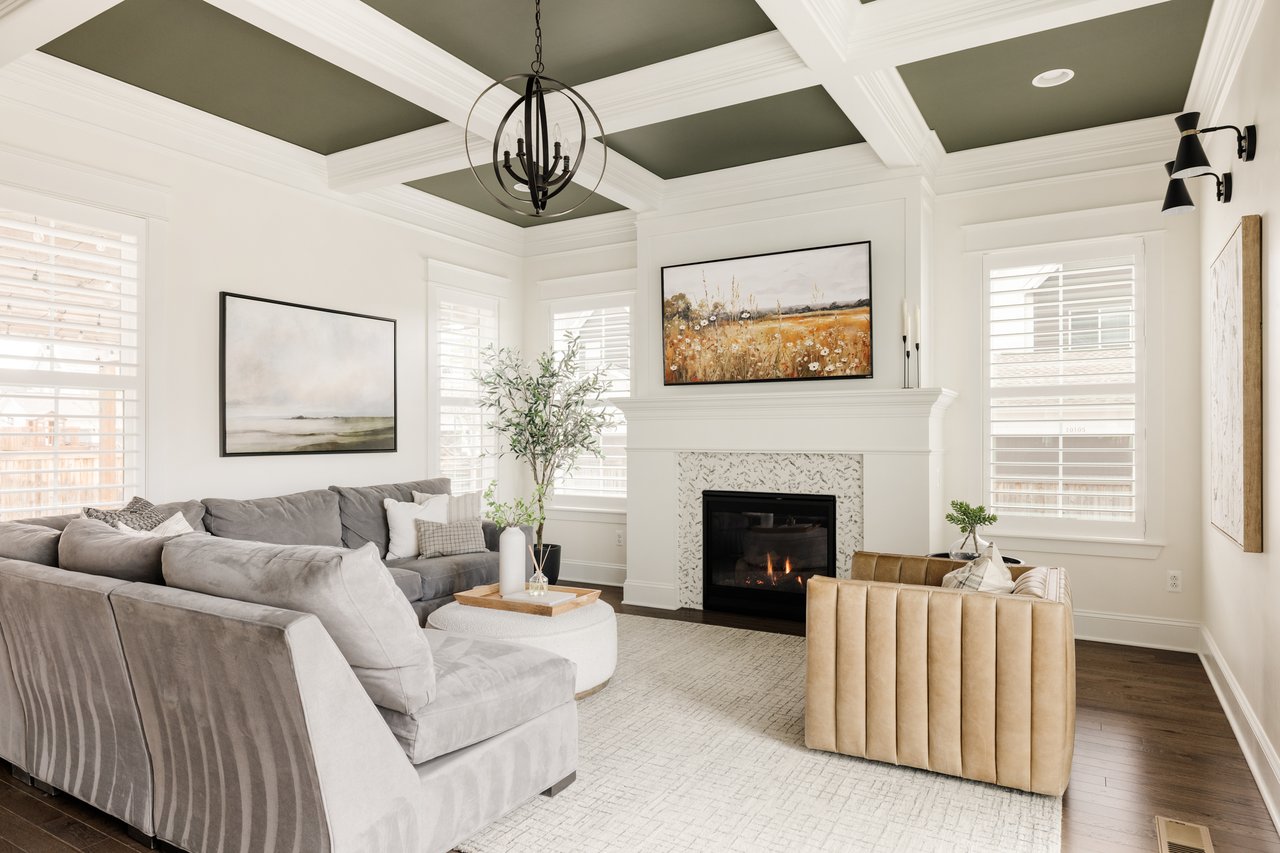
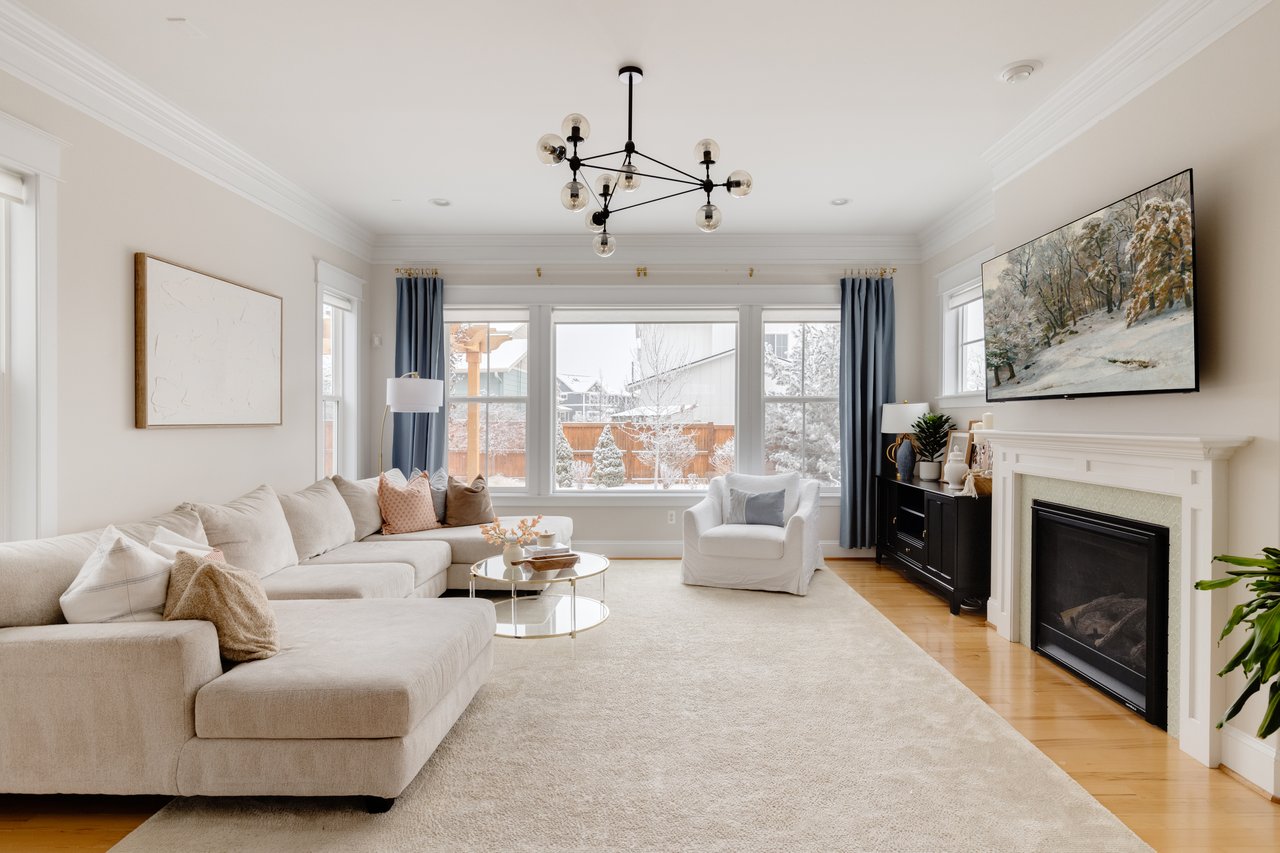
Regardless of style, the materials framing a fireplace do more to signal luxury than whether it burns gas or wood. A floor-to-ceiling stacked stone surround, a full-height marble or tile wall, or clean architectural millwork all elevate a fireplace well beyond its function, while a basic brick surround or a plain mantel can make even a well-built fireplace feel standard.
Scale Changes How a Fireplace Reads Entirely
A fireplace that extends floor to ceiling, or spans a significant portion of a wall, reads as a genuine architectural statement in a way a smaller, centered unit simply can’t match. This is one of the more reliable ways any fireplace style, gas, wood, or linear, can be elevated without changing the fuel source at all.
Placement Affects Impact as Much as Design
A fireplace positioned as the clear visual anchor of a room, centered on a wall with sightlines from the main living areas, makes a stronger impression than one tucked into a corner or competing with another focal point like a large window or television. Placement is often an easier and cheaper lever to pull than a full fireplace renovation.
Multiple Fireplaces Signal Scale, Not Just Luxury
A home with fireplaces in more than one gathering space, a formal living room and a primary suite, for example, signals a certain level of scale and intentional design throughout the home, beyond what a single fireplace alone communicates. This is a pattern that shows up often in Denver’s larger luxury listings, especially in neighborhoods like Cherry Hills Village and Wash Park.
What This Means If You’re Updating Before Selling
A full fireplace replacement is rarely necessary to improve how the feature reads. Updating the surround, adding floor-to-ceiling material, or simply decluttering and refreshing the mantel area can meaningfully shift a fireplace from forgettable to a genuine selling point, often for a fraction of what a full renovation would cost.
Frequently Asked Questions About Fireplace Styles and Home Value
Do gas or wood-burning fireplaces add more value to a Denver home?
Neither inherently adds more value than the other. What matters more is the surrounding material, scale, and placement, a well-designed gas fireplace can read as more luxurious than a plain wood-burning one.
Are linear fireplaces a good fit for older Denver homes?
It depends on the home’s overall architecture. Linear fireplaces generally suit modern and transitional interiors best, while a traditional wood-burning fireplace often fits more naturally in a historic Denver bungalow or Victorian.
Is it worth replacing a fireplace before selling?
Usually not. Updating the surround or improving the mantel area typically offers a stronger return than a full fireplace replacement.
A Feature That Earns Its Place Through Design, Not Fuel Type
The debate over gas, wood, or linear matters less than most sellers expect. What actually elevates a fireplace is scale, surround material, and placement, the details that turn a functional heat source into the room’s defining feature, whether it’s warming a historic Park Hill living room or anchoring a modern great room in Central Park.
If you’re considering a fireplace update before listing, let’s talk through what would actually make the biggest difference in your space.
Stay up to date on the latest real estate trends.

November 27, 2026
November 25, 2026

November 24, 2026
November 23, 2026
November 20, 2026
November 19, 2026

November 18, 2026
November 17, 2026

November 16, 2026
DENVER'S TRUSTED REAL ESTATE ADVISORS
The team combines expertise with a willingness to think outside the box and break the mold to stay on the cutting edge of a shifting real estate industry. Whether you’re thinking about listing a house, beginning your search for a new home, or have a question about the area, please feel free to contact us.