Hail, Roofs, and Insurance: What Denver Buyers Should Ask Before Making an Offer
Jason Cummings November 3, 2026
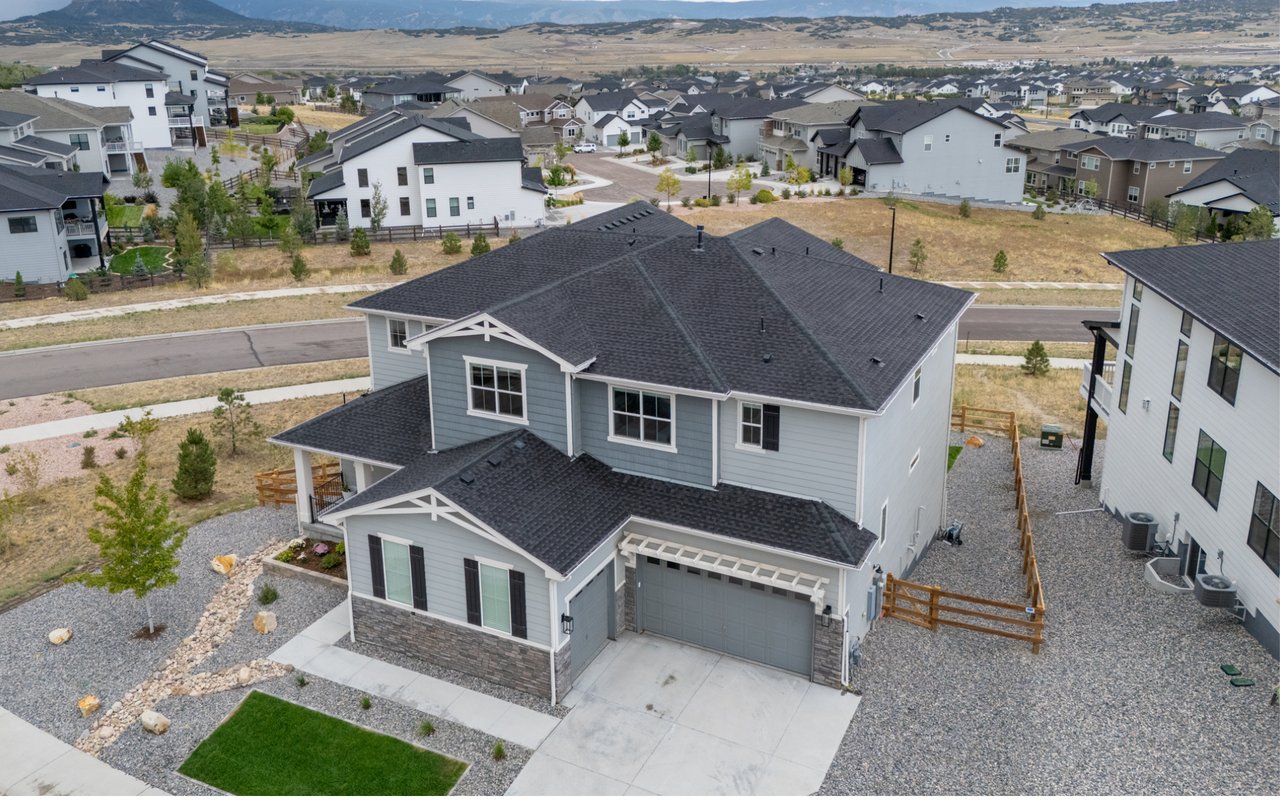
Jason Cummings November 3, 2026
Colorado homeowners insurance rates climbed more than 100 percent between 2020 and 2025, the fastest increase anywhere in the country, pushing the average annual premium to roughly $4,310, about 80 percent above the national average. Hail is the single biggest reason, and it affects more of a Denver home purchase than most buyers realize going in. Here’s what’s actually driving those numbers, and what’s worth asking before you make an offer.
Hail Alone Can Account for Half Your Premium
According to the Colorado Division of Insurance, hail damage alone drives 26 to 54 percent of a typical Colorado homeowner’s premium, depending on the county. In Front Range metro areas specifically, hail routinely accounts for about half of a policy’s total cost, and homes in the highest-risk hail zones can face premium surcharges up to 50 percent higher than comparable homes in lower-risk areas.
Why Rates Have Climbed This Fast
Insurers point to three main drivers. Hail frequency and severity sit at the top, Colorado has seen more than $5 billion in insured hail losses over the past decade, with some homes filing multiple claims in a short span. Wildfire risk has also reshaped underwriting, especially after the 2021 Marshall Fire produced over $2 billion in claims and shattered the assumption that wildfire exposure was a mountain-only issue. On top of both, global reinsurance costs, the insurance that carriers themselves buy to cover catastrophic losses, have risen sharply, and those costs get passed directly to homeowners. The result: Colorado insurers lost money in 8 of the 11 years leading into 2024, paying out $1.15 in claims for every dollar of premium collected in 2023 alone.
Some Insurers Have Pulled Back, Without Fully Leaving
Major carriers like State Farm, Allstate, USAA, and Travelers have generally stayed in the Colorado market, but many have significantly tightened what they’re willing to insure. Common restrictions now include declining to write or renew composition roofs older than 15 to 20 years along the Front Range, non-renewing homes with two or more wind or hail claims within five years, and automatic declinations based on wildfire risk scores in certain areas. Some smaller carriers have stopped writing new residential policies entirely in specific foothill and high-exposure Front Range zip codes.
Where Hail Risk Is Highest Within the Metro
Colorado sits inside what’s known as “Hail Alley,” with peak activity running May through August. Within the Denver metro specifically, Adams, Arapahoe, and the eastern corridor near DIA, Commerce City, Green Valley Ranch, and Aurora see the highest frequency of severe hail events. The south metro corridor along I-25, Highlands Ranch, Lone Tree, Castle Rock, and Parker, sees frequent severe convective storms rolling off the Palmer Divide. The foothills transition zone, Golden, Lakewood, Arvada, and Boulder County, sees its own pattern of severe hail as storms build over the terrain. Insurers map these areas into specific wind and hail speed zones, and properties in the highest-exposure zones are often required to have Class 4 impact-resistant roofing to remain insurable at all.
Colorado Now Has a FAIR Plan, as a True Last Resort
For homes that can’t secure coverage through the standard market, Colorado established a FAIR Plan under HB23-1288, which began accepting residential applications in April 2025. It’s genuinely a last resort: buyers need proof of at least three declinations from standard-market insurers to qualify, and coverage is capped at $750,000, paid out at actual cash value rather than full replacement cost, without built-in liability or loss-of-use coverage. FAIR Plan coverage costs meaningfully more than standard insurance for equivalent limits, and most buyers who need it end up purchasing supplemental policies on top of it.
Recent Legislation Worth Knowing About
Colorado lawmakers have been actively responding to this issue. HB24-1091 now prevents HOAs from banning fire-hardened or impact-resistant roofing and siding, so homeowners can’t be forced into more fragile materials by their association. Starting in July 2026, HB25-1182 will require insurers using automated wildfire risk models to disclose a property’s actual risk score to the owner, explain the factors behind it in plain language, provide an appeals process, and apply discounts for verified mitigation work. Additional 2026 legislative action is also focused on standardizing roofing evaluation protocols to help stabilize baseline rates over time.
Questions Worth Asking Before You Make an Offer
Given all of this, a few specific questions are worth raising early rather than discovering the answers during underwriting:
How old is the roof, and is it impact-resistant (Class 4) material?
Has the home had prior hail or wind claims, and how many in the past five years?
Was any past hail damage fully repaired or replaced, or just patched?
What does the seller currently pay for insurance, and would that likely change under a new policy?
Is the property in one of the higher-risk hail or wildfire zones within the metro?
Get Real Quotes Before You’re Deep Into a Contract
Given how much carriers have tightened their underwriting, it’s worth getting actual insurance quotes from multiple carriers once you’re seriously considering an offer, not after you’re already under contract with a closing deadline. A home that seems straightforward to insure can turn out to be far more expensive, or genuinely difficult to insure at all, once a carrier runs the numbers on its specific roof age, claims history, and location.
A Cost That’s Become Impossible to Ignore in Denver
Hail has reshaped the Colorado insurance market in a way that directly affects what it actually costs to own a home here, not just the price of buying one. Asking the right questions early, and getting real quotes before you’re committed, can prevent a genuinely significant surprise close to your closing date.
Making an offer soon? We’ll help you understand what the roof and insurance picture actually means for your costs.
Stay up to date on the latest real estate trends.
November 3, 2026

November 2, 2026

October 30, 2026

October 29, 2026

October 28, 2026

October 27, 2026
Jason Cummings | October 26, 2026

October 26, 2026

October 23, 2026
DENVER'S TRUSTED REAL ESTATE ADVISORS
The team combines expertise with a willingness to think outside the box and break the mold to stay on the cutting edge of a shifting real estate industry. Whether you’re thinking about listing a house, beginning your search for a new home, or have a question about the area, please feel free to contact us.