The Features That Actually Prove a Home Is Built for Colorado Winters
Jason Cummings November 5, 2026

Jason Cummings November 5, 2026
Denver’s winters bring real snow, genuine cold snaps, and the occasional ice storm, and buyers here have come to notice which homes are actually built with that in mind. A few specific features consistently stand out as signs that a home was designed for Colorado winters, not just built without regard for them.
A Covered Entry Solves a Real, Daily Problem
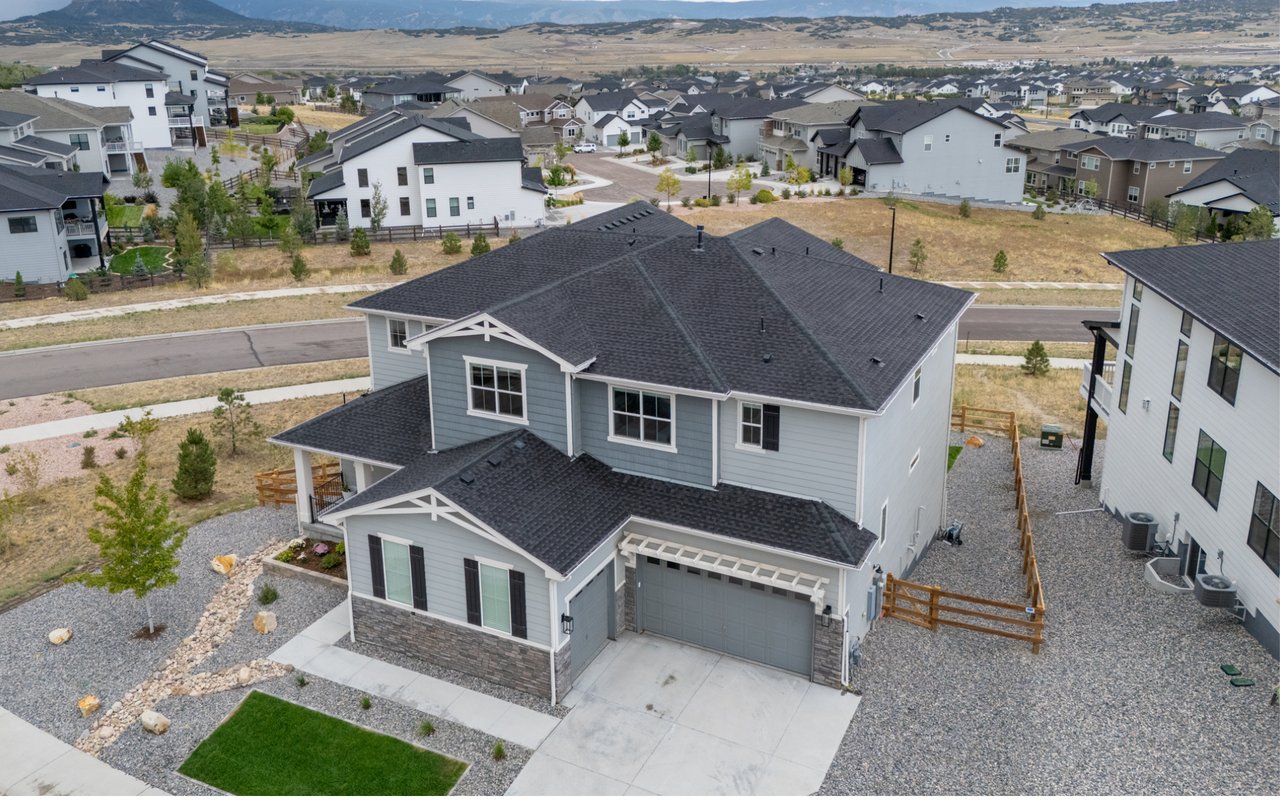
A covered front porch or entryway does more than add curb appeal. It gives buyers and guests a dry, snow-free spot to manage keys, packages, or kids while getting into the home, a small detail that becomes genuinely appreciated the first time someone’s fumbling with groceries in a snowstorm. Homes without any covered entry can feel like a meaningful oversight once a buyer starts picturing a Colorado winter.
Snow and Ice Management Scales from Modest to Genuinely Luxe
Heated driveways and walkways, which melt snow and ice automatically, remain a less common feature but read as a clear luxury upgrade when present. Buyers who’ve spent winters shoveling or scraping ice tend to recognize the value immediately, even if it’s not a feature they’d necessarily add themselves. Heated garage floors offer a smaller-scale, considerably more affordable version of the same logic, appealing to buyers who want to step out of a car without walking through slush or melting snow pooling on cold concrete.
Mudrooms Earn Extra Appreciation During Winter Months
A well-designed mudroom with a spot for wet boots, coats, and snow gear becomes especially valuable once winter sets in, keeping melting snow and salt contained to one area rather than tracked through the house. Buyers touring in colder months often notice this feature more immediately than those touring in summer.
Smart Snow Solutions Are a Newer, Growing Interest
Smart irrigation controllers that double as snow-aware systems, along with app-connected exterior lighting that can be triggered remotely during a storm, are starting to come up more in buyer conversations. These features are less common than the others on this list, but interest is clearly growing as smart home technology becomes more mainstream.
Outdoor Living Doesn’t Have to End When the Temperature Drops
Three-season rooms and fully enclosed porches allow outdoor-facing living space to remain usable even when it’s too cold for an open patio, extending the home’s functional square footage through the winter months rather than losing it entirely for several months a year.
What’s Behind the Walls Matters as Much as What’s Visible
Buyers don’t always ask about this directly, but exterior materials that hold up well to repeated freeze-thaw cycles, certain roofing materials, well-sealed siding, properly graded drainage, affect a home’s long-term maintenance costs in ways that aren’t always obvious during a showing. Sellers who’ve invested in these details may need to highlight them proactively.
Colorado’s Dry Winters Call for Their Own Solution
Colorado’s winters are notably dry, and a whole-house humidifier integrated into the furnace system is a detail that experienced Colorado buyers specifically appreciate, even if newer-to-the-state buyers don’t yet know to ask about it.
What This Means If You’re Preparing to Sell
Not every winter-ready feature requires a major investment. A well-organized mudroom, a heated garage floor, or simply highlighting an existing covered entry in photos and descriptions can meaningfully shift how a home reads to buyers who are picturing what an actual Colorado winter in the home would feel like.
Frequently Asked Questions About Winter-Ready Home Features
What’s the single most appreciated winter feature in a Denver home?
A covered entry tends to be the most universally appreciated, since it solves a genuine, daily problem every winter without requiring a major investment.
Is a heated driveway worth the cost before selling?
It’s a genuine luxury feature buyers recognize immediately, but it’s an expensive addition purely for resale. It’s more often something current owners add for their own comfort than something worth installing right before listing.
Why do Colorado homes specifically need whole-house humidifiers?
Colorado’s winters are notably dry, and a humidifier integrated into the furnace system addresses that directly, a detail experienced Colorado buyers specifically look for, even if newer residents don’t yet know to ask.
Built for the Season That Actually Tests a Home
Denver’s summers might sell a home on curb appeal, but it’s often the winter-ready details that convince a buyer a home will genuinely work for them year-round. Covered entries, thoughtful mudrooms, and smart snow management all signal a home designed with Colorado’s actual climate in mind, not just its best season.
If you’re wondering which winter-ready features are worth highlighting or adding before you sell, let’s talk through what makes sense for your home.
Stay up to date on the latest real estate trends.
November 5, 2026

November 4, 2026

November 3, 2026
Get to know the Cummings Black Group at SERHANT., led by Jason Cummings and Samantha Black. With five real estate agents and dedicated marketing, operations, and trans… Read more
November 3, 2026
November 2, 2026
October 30, 2026
October 29, 2026

October 28, 2026

October 27, 2026
DENVER'S TRUSTED REAL ESTATE ADVISORS
The team combines expertise with a willingness to think outside the box and break the mold to stay on the cutting edge of a shifting real estate industry. Whether you’re thinking about listing a house, beginning your search for a new home, or have a question about the area, please feel free to contact us.